
Life in Kenya
Imagine two boys born at precisely the same moment. Both equally bright and healthy. One is born into a middle-class American family. The other into a mud hut near Naivasha, Kenya. Which boy faces more obstacles as he tries to become a doctor or lawyer?
We can't create potential. But we can give potential a chance.
Our team sees the obstacles Kenyan children face at every stage of their journey. We identify gifted children and work to remove the barriers that stand between them and their potential.
01 — Hunger
For many children entering Makena's program, even one meal a day has been a struggle. Not because their parents don't care, but because they simply cannot afford enough food.
Have you ever tried to study when you're literally starving?
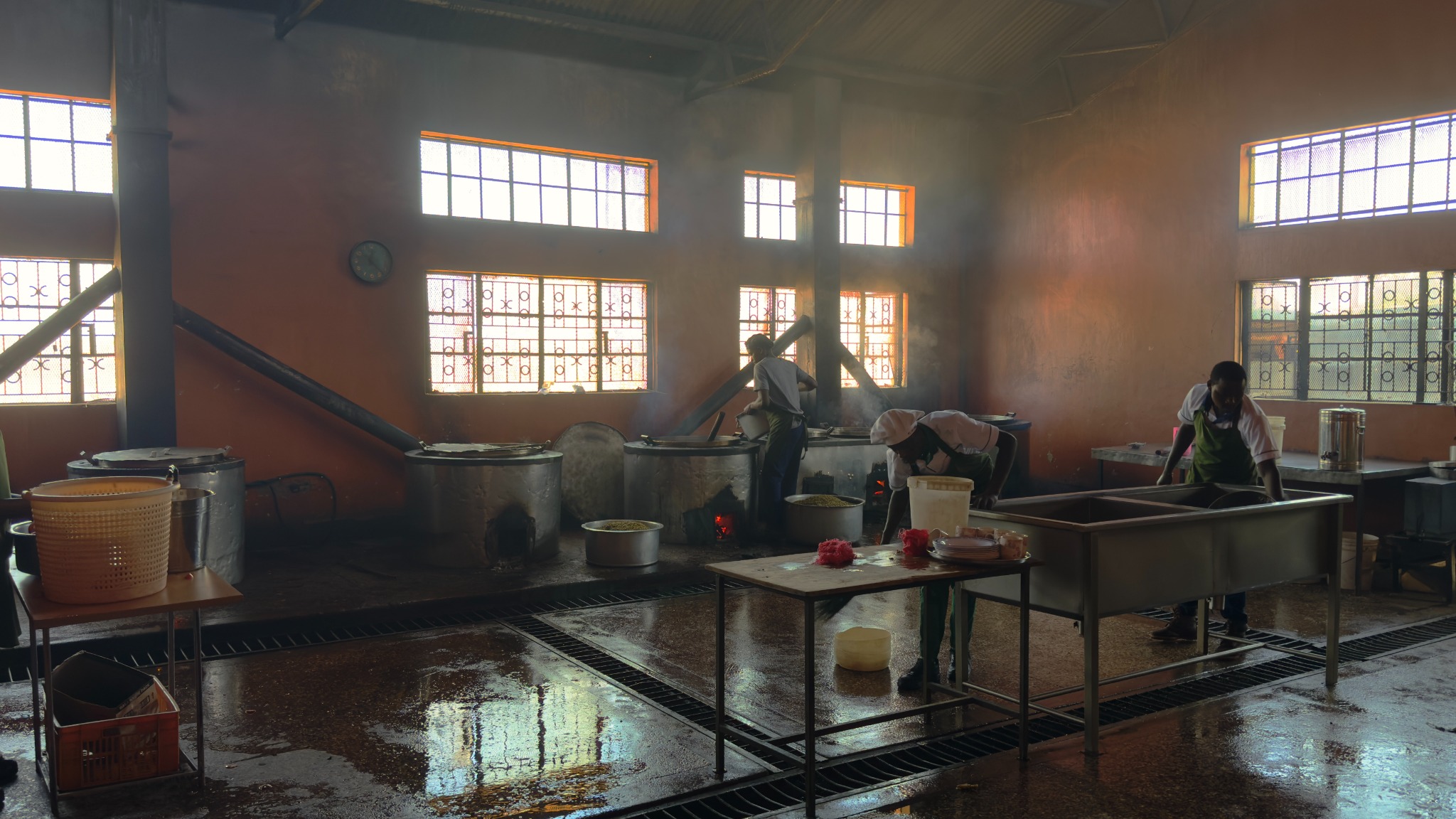
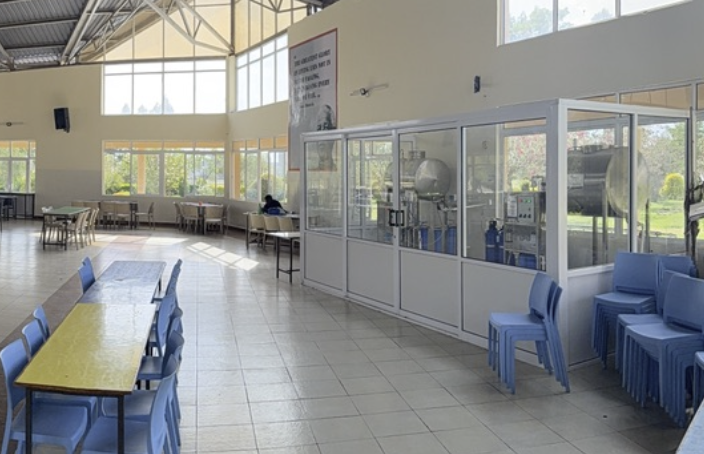
The schools attended by Makena students have kitchens, cooks and communal dining areas. Makena pays the school fees, including tuition, boarding and three nutritious meals a day, plus snacks to take to school.
02 — Water and Sanitation
Imagine having to give up your education to do this…
Get up every morning at dawn, walk two hours to a local river, fill two large containers with 10 gallons of water. Now carry 84 pounds of water for two hours back home… every day.
Ten gallons gives a family enough to drink and cook. Showers are not on the menu.
For approximately 85% of families in rural Kenya, piped water is not available at home. Children may spend hours carrying heavy containers of water instead of studying, playing or simply being children. Everywhere you go, you'll see Boda Boda (motorcycle taxis) riders and donkey carts hauling water. Many families cannot even afford that service.
Access to clean water and proper sanitation isn't just about convenience. It's about health, dignity and the time needed to build a better future.
Our students attend schools with running water.
03 — Housing and Electricity
When you visit rural Kenya, you'll see mud huts with five to seven people living in them. If you're lucky enough to be invited inside, you may find bare earth floors, secondhand sofas and chairs in a single room, and a sleeping area with just one light.
There's no connection to the electricity grid. Power may come from a small solar panel and be stored in an old car battery. Just enough for a couple of lights and perhaps a TV.
Imagine trying to study in these conditions.
And here's something that might surprise you: despite the lack of electricity, you'll see plenty of mobile phones!
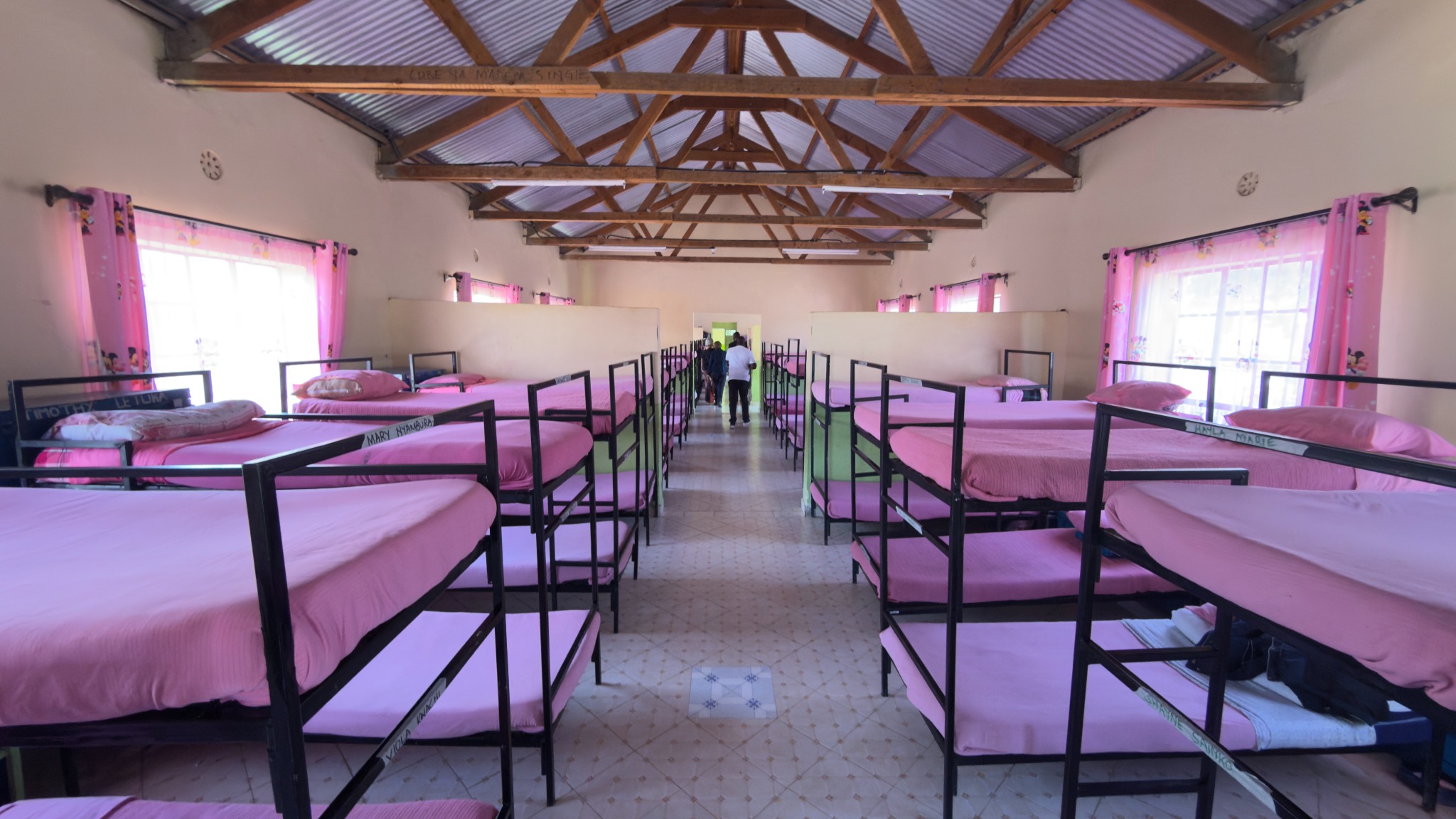
Our students attend schools with electricity. Another obstacle removed.
04 — Education
Typical Kenyan public primary and secondary schools are staffed by wonderful people doing the best they can. However, these schools are severely underfunded, with the government currently providing less than $15 per primary school child per year in operational funding. That is not a typo.
This leads to a shortage of textbooks, classes often larger than 70 students, and sometimes classrooms without teachers. At junior secondary school, government funding increases to approximately $126 per student annually.
Imagine being a gifted child trying to thrive in these conditions. After walking for over an hour just to get to school. And arriving hungry.
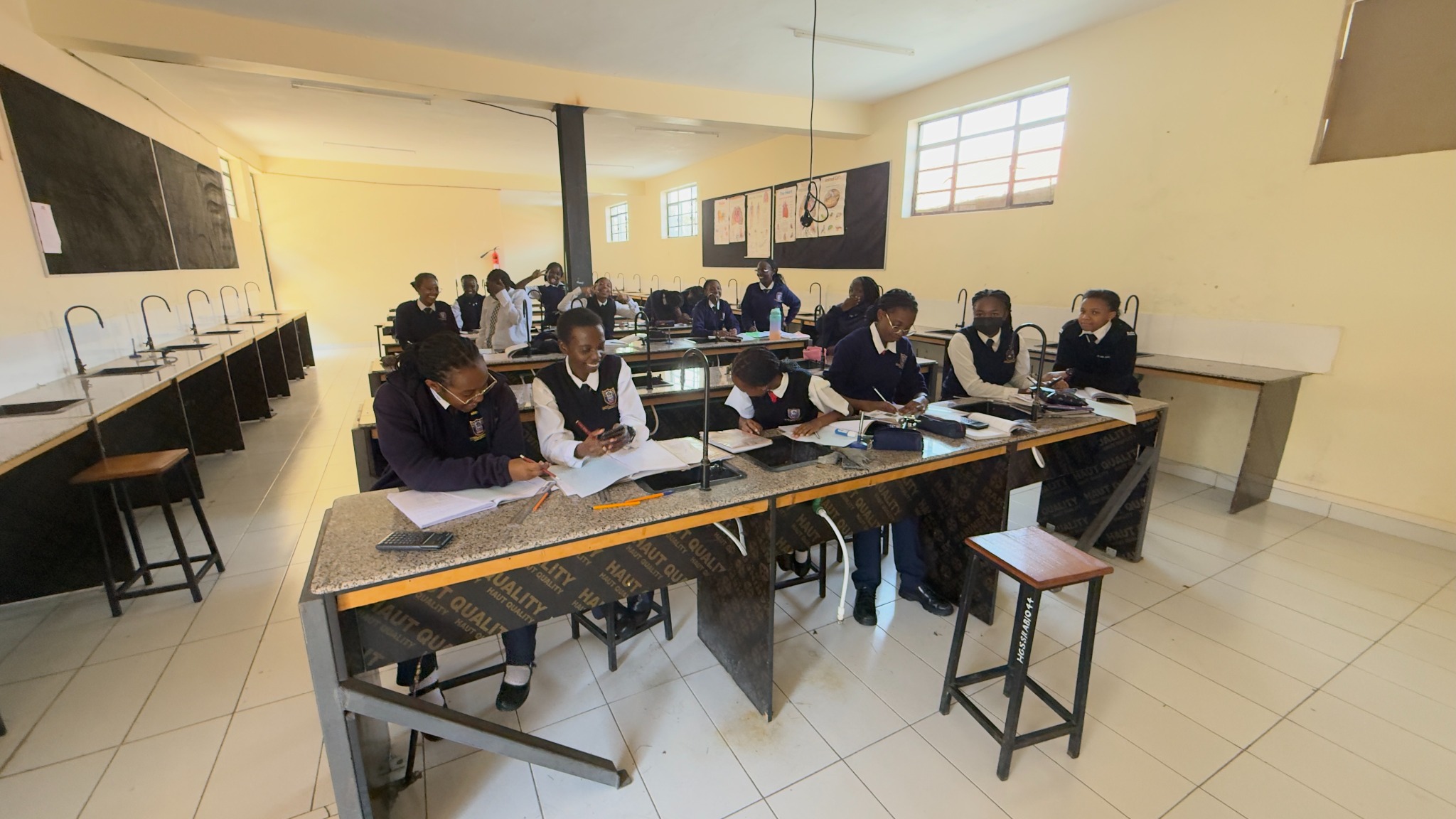
Our children are in small classes. They've had breakfast and receive the support and resources to help them realise their potential.
05 — Making a Living
Many Kenyans in our area work in an agricultural environment earning about $3 per day for 10 hours of back breaking work.
This is your future without education - it is a brutal truth that does not care how smart you are.
Stuck at $3 per day, there is no way out. No way to save. No way to buy a car. No vacations. Just more work and a struggle to survive.
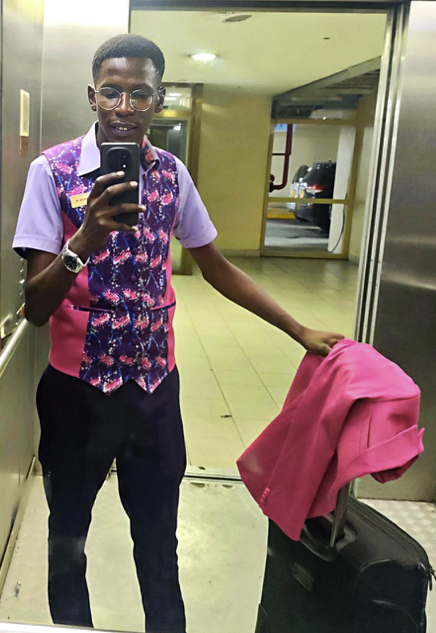
The picture is one of our alumni who is a flight attendant at an airline. Simon is proof of what we can achieve.
We passionately believe that the way out of poverty is education. And then support through the transition into work and independence. That is what we provide.
For thirty years we have been removing these barriers and helping children in rural Kenya realize their potential. Our donors and sponsors have made a huge difference to so many families.
And it costs us less than $6 per day
We can’t create potential, but we can give potential a chance.
Can you help?