All Posts By

Ken Morgan

Day Two & Three

By Makena Blog

Up at 7 am and stretching out some newly found muscles and oiling some joints we were unaware existed, we packed our bags had a breakfast of toast, jam and traditional European coffee and said goodbye to the pilgrims we met over dinner in the small town of Triacastela and headed to Sarria.

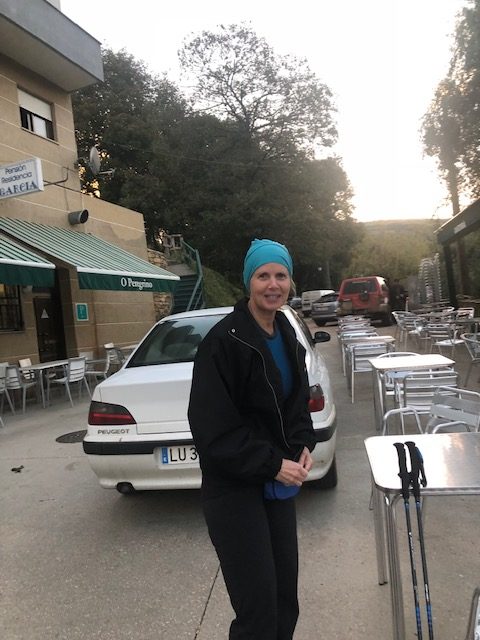
Brenda in “the buff” getting ready to head for Sarria.

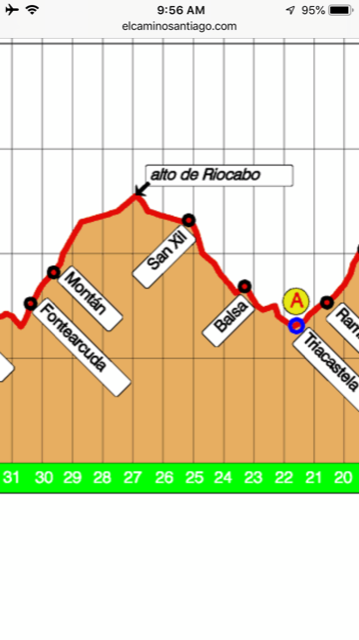
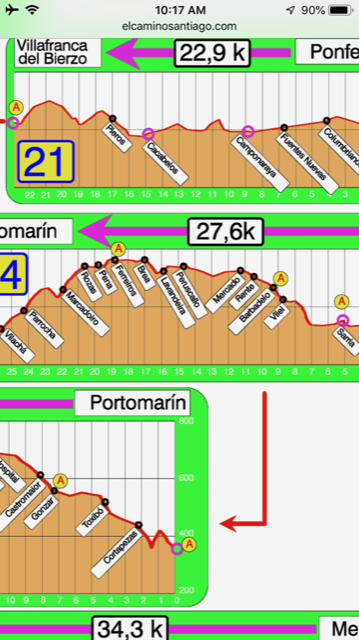
As you can see in the profile below we started the day, as it appears we will start everyday, with a vertical trek up into the countryside.

Most of our uphill climbs for day 1 and 2 followed the same 40-50 degree incline as you see from Triacastela to alto de Riocabov . At the end day 2 we found that the downhill incline could be MUCH worse as it was so steep, damp and the trail covered with loose gravel you were forced to use your legs as “brakes” for miles of the downhill portion.

Notwithstanding the vertical nature of the days travels we did find some more inviting areas and the countryside, villages, villagers and Pilgrims continued to be amazing and inviting.

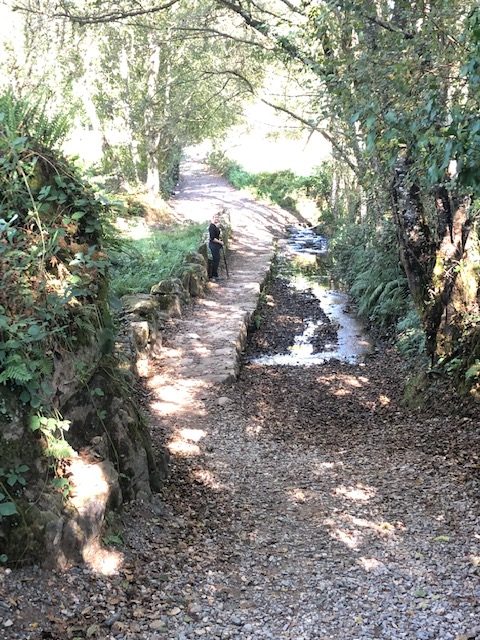
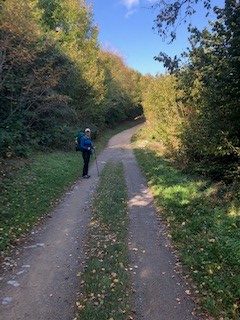
BELOW: one of the level stretches between climbs.

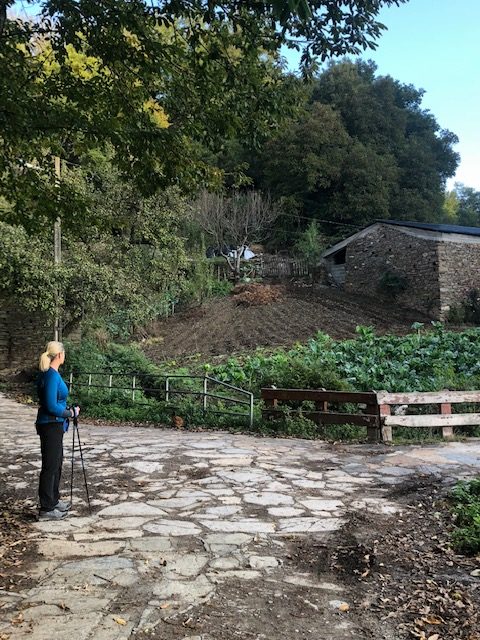
One of the many ancient agricultural villages we trekked through in the hills above Triacastela.

DAY 3

Leaving Triacastela was the first of many challenges for Day 3. From our door step forward the first 13 miles of the day (see the profile showing 27.6K below) Initially steep and rarely under a 30 degree grade, it was truly an uphill climb all day.

Although today was a tough day of hiking it was beautiful weather, beautiful countryside and Brenda spending lots of time stepping around the poop on the street 🙂

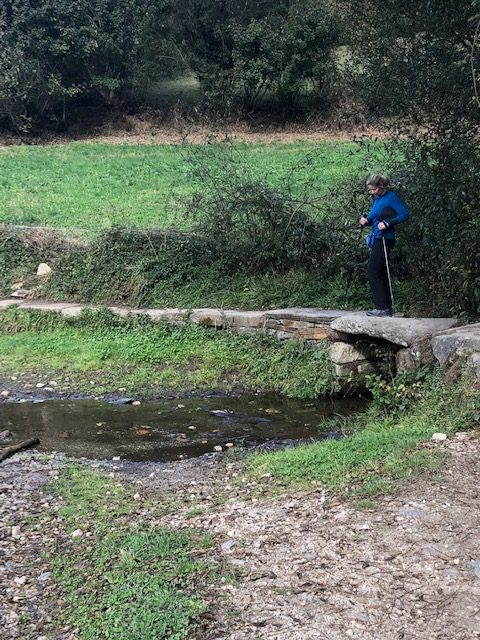
BELOW: One of the many beautiful streams and bridges we encountered throughout the day.


After three days in the 16 to 17 mile range tomorrow will be a short day of only about 10 or 11 miles.

Today was just over 17 miles. But brutal walking over and between huge stones (4-7”) in what seemed to be washed out creek beds while dealing with up and down inclines of 35 to 50 degrees practically all day. VERY LITTLE level ground today.

All that having been said we still encountered this amazingly beautiful setting! A ancient, hand laid, stone bridge in the middle of a wooded dell which has supported the feet of millions of Pilgrims over 2,000 years.

Buen Camino

Day One

By Makena Blog

O Cebreiro was our starting point on day one.

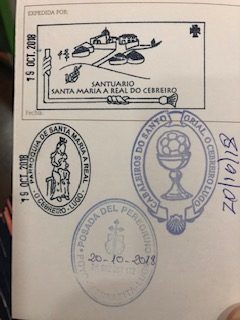
A small village of stone buildings, lodges, a few taverns/restaurants and a charming church where we obtain the first stamp on our “Pilgrims Passport.”  Two stamps a day are required to certify your pilgrimage. (See photo below)

On our first night in O Cebreiro we met a threesome, Barbara and Bill who are husband and wife and their friend Dave, who were on the trail together.

They were from Palm Springs and hike regularly together. Barbara and Bill started in France in September and Dave met up with them in O Cebreiro  joining them the same day that we arrived.

We met in a restaurant and shared dinner and Barbara and Bill gave us thoughts, insights and tips on the Camino. It was our first of several great experiences with pilgrims on our very first day.

Above the lodge we stayed in in O Cebreiro
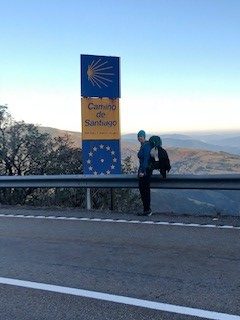
Below our first step on the trail.

Along the way we met a group of Korean pilgrims from Seoul who all but adopted us . As we “leap frogged” past each other along the trail they shared (in broken English) their time on the trail, photos of their families and as we went our separate ways a gift pendant and a note to “friends” met on the Camino

Below “Julie” our Korean friend.

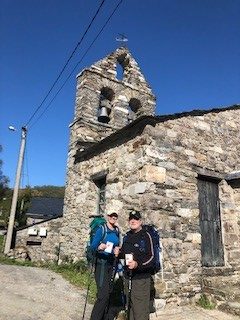
One of The many country chapels along the way.

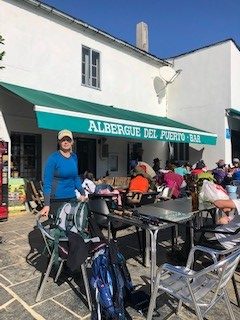
Lunch at the only sizable eatery we saw on day one between O Cebreiro and Triacastela.

We were pleasantly surprised that although many of the trails, more or less, paralleled the highways they were far enough off the road as to be unseen and unheard  and we spent hours on beautiful, well-traveled trails through the agricultural lands of Spain.

At days end we were both exhausted and re-invigorated, happy to finally be on the trail and moved by both the experience and the fellow travelers  encountered on day one.

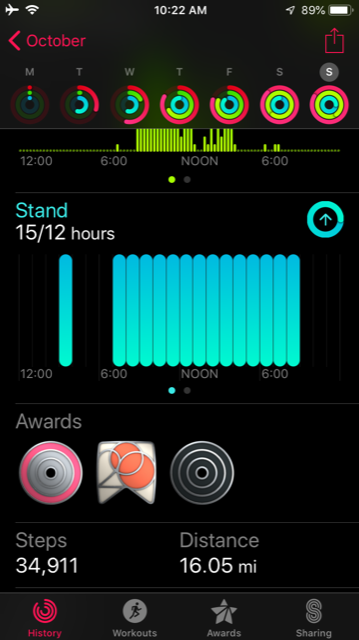

Below is a screenshot from our Apple “Activity” application to provide an indication of what our first day activity totaled.

Just over 16 miles on steep  uphill and downhill terrain and as I write this post the sun is coming up we are finishing breakfast and preparing to start another day.

Buen Camino

KEN: OTHER ARTICLES OF CLOTHING

By Makena Blog

KEN: OTHER ARTICLES OF CLOTHING    

Having taken care (we hope) of the feet I looked at the balance of my apparel with the same critical eye used in my backpack decisions functionality, durability and weight!

UNDERWEAR

When weight is a major consideration considering both quantity and quality becomes important, particularly with underwear.

<![if !vml]> <![endif]>My question boiled down to this; “Do I get REALLY light underwear and carry several pairs (a pair a day) or do I get some that might be a little heavier but is designed for this kind of trek?”
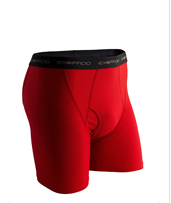
Design for this kind of trek is important. Although there are multiple companies that manufacture lightweight underwear many are not really designed for the concerns of long distance, ultra-light, limited washing facility hiking.

Ultimately I decided that EX-Officio Give and Go boxer briefs.

Weighing in at 2.4 oz per pair there are actually lighter men’s underwear available but the EX-Officio has no cotton (less bacterial growth), are made with 94% Nylon and 6% Spandex, include a breathable mesh for additional air flow and are treated with an antimicrobial.

These briefs can easily be washed in a sink and dry quickly without losing shape or  elasticity and without getting stiff and scratchy like cotton can sometimes do.

With the antimicrobial they can (yes it may sound disgusting) be worn for multiple days (in a pinch) and with the quick drying advantage 2 pair should be enough for the entire hike and given the same criteria I will carry 2 of their undershirts as well.

OUTERWEAR

<![if !vml]> <![endif]>
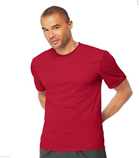
<![if !vml]> <![endif]> LAYER, layer, layer. So, the lightweight stuff was easy for me.  I like Haynes Cool Dri Tee’s. I have some and you can’t get a T-Shirt that’s much lighter, durable and (HURRAY, finally) inexpensive, so into the backpack it goes.

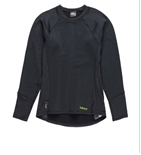
So what would an initial layer look like? An undershirt (or maybe 2) from Ex-Officio and a Hayne’s Cool Dri. On the bottom side we are both packing REI “Lightweight Bottoms”. These are lightweight but warm and we intend to use them as long johns as well as addition warmth for nights in the albergues.

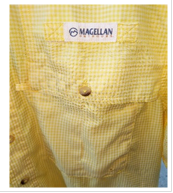
A little more warmth? Add a Magellan “Fish Gear” short sleeve, UV protective shirt. I like these because they are light, breathe very well, are UV protective and provide room for layering.

To add even more I can double the undershirts or add a Columbia “Flashback” Windbreaker and if it’s really cold I am carrying  my Kokatat Polartec outer-core “T”.

I LOVE Polartec! I was first introduced to it when I was SCUBA diving in VA in the winter.

<![if !vml]> <![endif]>
<![if !vml]> <![endif]>Bottom temperatures were almost always in the high 30’s to high 40’s and air temps often just as cold! When climbing out of the COLD water into the COLD air I wanted a “wrap up” that was warm, durable and easy to put in a gear bag. Weighing in at only 8.0 ounces Polartec was/is ounce for ounce the best thing I can find to meet all these criteria.

My Kokatat weighs in at exactly 8 ounces and gives better insulation than many of my heavyweight winter jackets.

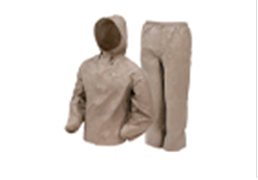
If even more is needed Brenda and I are both packing Frog Toggs ultra lite rain suits.

Frogg Toggs Ultra-Lite II suits are constructed from an ultra-lightweight, waterproof, breathable, nonwoven polypropylene material. The patented bilaminate technology with “welded” waterproof seams and Frog Togg has unmatched sweat-free breathability. The compression packability of this suit allows it to pack down to storage pocket size, and it is perfect for backpacks.

PANTS

Here is an item that was a real concern for me.

I live in shorts and denim (although when necessary I have some nice suits and I do clean up ok). How to get pants that will meet all the criteria I was looking for was a REAL challenge.

Light, durable, comfortable and functional PANTS??

<![if !vml]> <![endif]>
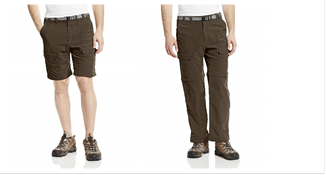
I probably spent almost as much time on this item as I did on backpack and shoes! Looking, trying on comparing, weighing many, many pairs. After investigating, reading (trying on, weighing  etc.etc.etc) I found White Sierra men’s trail convertible pants.

I have had and looked at dozens of pairs of “convertible” pants and was never impressed with any of them; either the fabric was heavy and didn’t wick moisture or the fabric was ok but the “convertible” process became clunky after a few removals and reattachments; most of the few I actually bought ended up as shorts…period.

White Sierra is different. They are constructed of 100% quick drying nylon, have cargo pockets, back hook-and-loop pockets, and front slant pockets. They have UVA and UVB protection and the zipper is VERY WELL MADE and they weigh only 12.5 ounces. I am wearing a pair and packing a pair.

<![if !vml]> <![endif]>This is a great product and worth adding to any back pack, suitcase or RV for anyone who likes to spend time outdoors.
 

HEAD COVERS

<![if !vml]> <![endif]>Although I prefer ball caps I decided that with the prospect of walking for hours in the sun I would opt for a full brim hat.
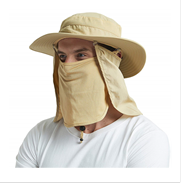
With a 2.75 inch waterproof  brim and detachable neck flap and breathable face protector (which I will probably leave behind) the Einskey sun hat was everything I was looking for and “all in” with all accessories it still only weighs 3.7 ounces.

The hat has a waterproof brim and is made with quick-drying polyester and an internal moisture wicking sweatband. The crown is ventilated and it’s pretty much crushproof so I can jamb it  in the backpack without crushing the brim.

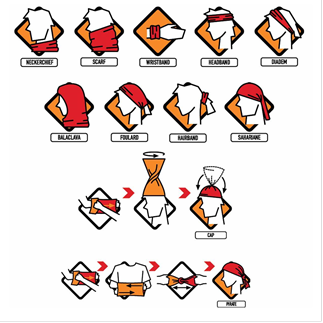
In addition we are each carrying a convertible head/neck/face/wrist etc. “buff”.

For those unfamiliar a “buff” is a tubular bandanna that has way more features then a plain bandanna or simple headband. They come in many different materials and a wide variety of colors, the image show the many ways a “buff” can be used.  Versatile, handy and weighs in at only 1.5 ounces.

NEXT POST- Miscellaneous Items

Brenda’s Gear: Shoes and Socks

By Makena Blog

Brenda’s Gear: Shoes and Socks


The shoe selection is probably more important for me than the type of backpack.

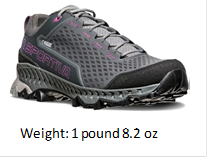
A couple of years ago I had surgery on my right foot. What should have been a relatively easy recovery lasted months; my foot has never felt the same in any way. So after trying on LOTS of shoes, buying some and returning them I decided on the “Woman’s La Sportiva Spire GT” shoes.


Waterproof GORE-TEX® SURROUND® membranes

<![if !vml]> 
 Weight: 1 pound 8.2 oz
<![endif]>Protection from rain, mud and streams is a priority, but you don’t want to hike in sweaty plastic bags. The durable, waterproof GORE-TEX® SURROUND® tech in these shoes has patented vents to channel internal moisture and heat away from your feet and out of the shoes, so you stay dry and comfortable.

Vibram® XS Trek outsoles

Engineered to keep you stable on unpredictable terrain, these durable rubber outsoles deliver traction even when wet. They’re flexible and responsive—and they’re non-marking, so you won’t get in trouble if you wear them inside.

Some of the Nitty Gritty on This Shoe:

  • It’s not cheap – will cost you around $190. I purchased these at REI.
  • Waterproof was a must for me because rain in Spain in October-November is probably a YES.
  • It’s a real hiking shoe ankle high, lace up
  • The ventilation outlets into the mid soles that are designed to give structure and torsional stability for comfort. This is real good for me since I walk weird after my foot surgery.
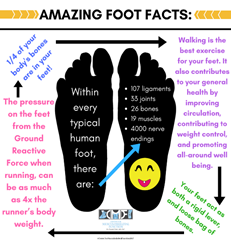
  • <![if !vml]>http://cmfchiropractic.com/wp-content/uploads/PNG-Foot-Facts-Instagram.png<![endif]>Aeration channels are within the foot bed. My feet sweat a lot and this should help. If you hold the shoe up you can actually see through the channels on the bottom.

If you take a look at this you’ll see all the things that could get hurt, broken, strained and pulled in your foot.  I’m doing all I can to avoid any of that and also went to THE GOOD FEET STORE.

I purchased one item at this store to help me with my walk:

  • Clear Flex 5 Arch Support – sit down when you hear this. It cost about as much as the backpack and hiking shoes. – a whopping $369.95.  But it is working. I’m not getting as much pain in my foot, ankles and lower back. These are transferable so I take them out and use them in all shoes.

This is customized and re-fitted if necessary to your foot. So you may have to go back if the fit doesn’t feel right or something is bothering you after the initial visit. They have great customer service and my particular contact has been good with follow up.

You can buy those Dr. Scholl’s in any drugstore these days and I have, but they never worked for me, so thus my wonderful husband put me on to these guys.

<![if !vml]> 

<![endif]>SOCKS


Oh My!  So Many to Choose From!

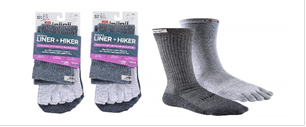
After reading through the Camino de Santiago blog and soliciting feedback from people who have done the hike, I selected Injinji liner and hiker crew socks.


<![if !vml]> 

<![endif]>

<![if !supportLists]>·         <![endif]>2 piece set includes a thin CoolMax toe sock liner, with an outer NuWool fitted sock for extra cushion

<![if !supportLists]>·         <![endif]>Constructed of Nuwool – an Australian Merino wool that minimizes moisture and friction buildup

<![if !supportLists]>·         <![endif]>Individual anatomic toe sleeves form a thin anti-blister membrane between toes to eliminate skin-against-skin friction

<![if !supportLists]>·         <![endif]>Ideal for every hiking adventure, from short hikes to multi-day backpacking trips

It’s All About the Feet- Maybe

By Makena Blog
THE SHOES

As we previously mentioned, over and over (more than “weather”, more than “elevations”, more than “weariness”) we heard and read about those for whom this trek was ruined by “BLISTERS”; BIG, nasty, painful BLISTERS. So we decided, early on, to spend plenty of time trying to ensure that we took every reasonable action to limit or eliminate “BLISTERS”.

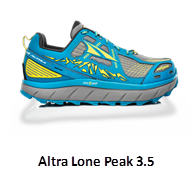
 Altra Lone Peak 3.5 It started with the shoe selection.

Once again we looked and looked. We got lots of opinions and tried on lots of shoes. One thing we found out for sure, there were PLENTY of opinions.

Many opined that “Hiking Shoes” were the way to go, others said tennis style shoes and others said runners. Having never participated in this type of hike we decided to speak to someone who had.

Following a lecture from Bill and Sue Holzer, a couple about our age, who had hiked the trail we found that they were not bashful about giving their opinion. 

NO HIKING SHOES! As avid hikers they knew well the many benefits of hiking shoes for “mountain and wilderness hiking”; the El Camino is neither. It was their feeling that, since the El Camino was primarily worn trails, cultivated land and small towns and villages,  the weight, tread and high ankle was unnecessary. For the same reasons they believed that tennis style shoes or “sneakers” didn’t typically have enough tread and support for the periodic “rough spots” along the trail.

The Holzer’s believed they found the best alternative which provided all the attributes necessary to handle the varied terrain as well as provide support and comfort; the Altra Lone Peak 3.5 “Trail Runner” style shoe.

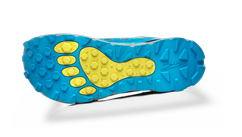
The Altra Lone Peak 3.5 offers drainage holes to keep feet dry, a 4-point gaiter system to keep dirt and rocks out, and mesh upper for enhanced durability. Although at first look the Altra looked as though the  “all terrain” tread on the bottom would be heavy and possibly uncomfortable I decided to try them on and was very pleasantly surprised.

To start, the shoe is VERY comfortable. It has a wide “toe box” to keep your toes from rubbing against each other which combined with excellent insole and arch support make them as comfortable as your “worn in” favorite sneakers. Once on I found that the distribution of the tread surface was so perfect that, when walking, it was impossible to tell there was any tread at all!


 When I combined the fact that they were comfortable and the all terrain tread made them multi-surface friendly with the fact that they only weighed 1 ½ pounds for the pair it seemed like they were right; they’re the shoes I chose.

THE SOCKS

 We have often walked and hiked 10+ miles a day and have never had a problem with blisters, however we have rarely done so day after day. Given this history I wasn’t really worried about blisters until we heard about it being such a huge problem, even for experienced hikers, on the El Camino; so we sought preventative measures.

LINERS

Liners. Never used them/never thought about them…now I have them and I like them.

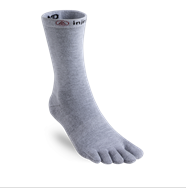
We decided on the Injinji liner. Consider them “underwear” for your feet. 

Underwear acts as a barrier between you and your outer clothing, fitting tighter than your outerwear and reducing chafing, rubbing and uncomfortable contact with seams etc., sock liners do the same and more. The Injinji liner fits each toe and helps defend against toes rubbing together (read “BLISTERS”) and moisture buildup, keeping feet dryer and more comfortable. We selected the lighter version since the weather was moderate and we can add additional warmth if necessary with a heavier sock on colder days.

SOCKS


 I don’t consider myself cheap, but I come from a middle class family and (I guess) on some things  I have middle class tastes (this doesn’t include my wife ). 

There are a couple of items of clothing I can honestly say I have never paid over $20 a pair for; specifically underwear (story later) and socks. If anyone would have ever told me I would spend the better part of $40 for a pair of socks I would have said they don’t know me very well, I guess things change .

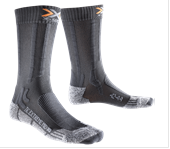
The socks we settled on were the X-SOCKS  Trekking Extreme Light. I can’t do a better job of describing them than the manufacturer.

“EXTREMELY LIGHT, EXTREMELY CONVINCING: BEST IN TEST TIMES TWO. The foot that sits snugly in a shoe warms up quickly and starts to sweat. The X-SOCKS® Extreme optimally transports warmth and moisture away. Special features: The AirGuide functions as a spacer and is placed along the AirConditioning Channel® to facilitate continual air circulation. The patented AirCool Stripes under the soles also allow temperature-regulating fresh air to circulate. Manufactured with a light touch but still technically perfect, it creates a typical X-SOCKS® “bare foot“ environment.”

Every word of the above quote accurately describes the feel and impact of this sock, great feel, “air conditioned” and dry! Awesome socks and worth the price as the “go to” sock for hiking.

OTHER FOOT PRODUCTS

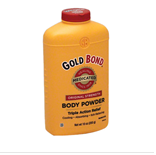
 Other items we are packing just to be safe include Gold Bond Foot Powder and several sizes of  Compeed  Blister Plasters.

Gold Bond is an old stand by and worth the extra ounce or so to carry and Compeed is new to both of us but comes highly recommended to limit the damage should a blister start.


Compeed Blister Plasters uses hydrocolloid technology which is able to absorb moisture from the blister which helps to create a better environment to prevent further damage and promote healing. These plasters are advertised to stay in place for several days, preventing rubbing and protecting the healing skin; I honestly hope I don’t have to validate these claims during our trek!

NEXT BLOG – Brenda on equipment


The Well Prepared Hiker- Brenda’s Choice

By Makena Blog

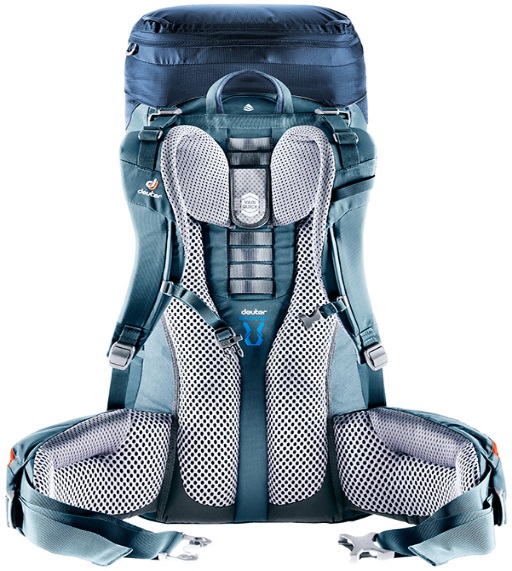
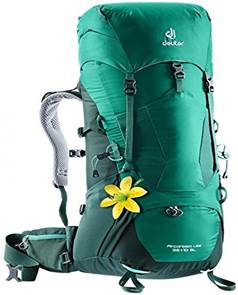
<![if !vml]>AIRCONTACT LITE SYSTEM BACK SYSTEM<![endif]><![if !vml]>https://images-na.ssl-images-amazon.com/images/I/51OuOXm-fpL.jpg<![endif]>Brenda’s Choice:  The Deuter, Aircontact Lite 35 + 10 SL

Like Ken said, we have backpacks for everything for a day hike, camping, traveling and but none of them very light and made for this kind of adventure.  At first we both agreed on the OSPREY Exos 38. But, it just didn’t feel like the right fit for me so I did some more researching on the Camino Blogs and read up on this one!

Deuter manufacturer’s backpacks that are athletic and adapted specifically for women. They were made by women, for women. They feature a shorter adjustable back length, narrower should harness, and conical shaped hip belt tailored to the female form.  It’s light in weight (3 lbs., 8 oz.), ergonomically fit, has a nice modern design and I am anticipating a great backpack for me.  This particular back pack is not as light as others we looked at and even than the one that Ken bought (1 lb., 6 oz. heavier) but I think it’s going to be better for me purely because of the fit and level of comfortableness I anticipate (fingers crossed). 

And NO I didn’t pick it because it looks pretty and comes with a flower.  I guess this also means that I’m going to have to really watch bringing much of anything and what I do bring better be VERY LIGHT.  I’m told by my partner, each man for himself when it comes to carrying.

Once I put this on, the most immediate thing I noticed is how comfortable the back supporting system is made.  It’s the AIRCONTACT LITE BACK SYSTEM.  I am not kidding, women – you will feel it as soon as you put it on.  The anatomic profiled x-frame transfers weight on the hips. Now that is one thing I have plenty of (HIPS!) so that is going to work very well for me.  The crossed aluminum stays create a flexible frame and it’s easy for my body to move.  As with most backpacks, there is a VariQuick system that allows an easy, quick adjustment to the individual back length and shoulder straps for extra stability.  Take a look at the back of this ladies and gents!!!!

Other cool features, a detachable zipped lid compartment with 2 pockets for valuables (that just might be for my snacks) that can be transformed to a day pack. There is an H2O pocket and fixation for the Streamer hydration bladder and an opening for the drink tube (I’ll just use a water bottle).

This is kind of unique I think – there is an SOS Label – which gives us tips on what to do in an emergency.  I betcha’ thought that it doesn’t say what to do if you lost your spouse on the trail!!  And guess what there is what they call a Stretch Compartment where you can put all your sweaty clothes!

Can’t wait to share with you all the items that will be packed into here and figure what I’m going to have to eliminate to keep it under or at 10 pounds. Since the back pack itself weighs almost 4 pounds that is going to be a real challenge!  ………

El Camino de Santiago – The Well Prepared Hiker

By Makena Blog

EQUIPMENT

We want to start by discussing our backpack selections which seems, in turn, to demand an explanation of what we desired in our backpack and how our needs were determined.

Between us we probably own over a dozen backpacks (mostly meJ) but when undertaking this hike we had to take into consideration variations which we haven’t faced in the past.

Previously all our hikes have included leaving from “home base” and returning to the same place; kinda makes it easy to leave the heavy stuff behind and just come back to it at the end of the hike…this time there is no plan to return to our starting point! This means EVERYTHING we need for the trip has to come with us AND stay with us!

CONCERNS

We had 3 HUGE concerns; what did we NEED, what would it weigh and how much space would it take (volume of the backpack).

These concerns were the driving force in every item we decided to carry and what we decided to carry it in.

Almost a year ago we began assembling a list of items that were absolutely essential, how much space the essentials would require and determining how much would they weigh. We read endless articles on the trail, watched what seems like billions of hours of YouTube videos, read numerous books and attended lectures from those who have gone before us.

We took a couple of things VERY seriously; foot care first and foremost. Almost everything we read and viewed had horror stories of people who, early on in the hike, suffered from horrible, almost debilitating blisters, we decided that we needed to avoid this at all costs.

At the end we decided that it would be prudent to begin the process of assembling items and then, later  in the process to select the backpack we would use. It seemed obvious that the proper backpack would be critical, but how to select a backpack before you knew for sure what the weight and volume of the “stuff” in it would be was a challenge, I am gonna show you the backpack but first, how did we determine the size?

It started with dozens of trips to REI and hours on Amazon.com.

Initially this was focused on FEET, what kind shoes? Socks? Sock liners? Material? Foot powder? Blister preventatives? Remedies? Were some of the things we researched. Once we settled on our initial (some things changed during the planning process) footwear and foot care items we felt comfortable moving on to other important items.

Every item of clothing we intended to carry was evaluated in every way we knew how. From socks, to underwear, pants, layers for warmth, rain wear, hats, everything. We wanted to know things like “would the fabric wick moisture quickly?” Would the material chaff? How often would it need to be washed? How long would it take to dry? WHAT DID IT WEIGH? Weight, weight, weight. It seemed like every item we spoke about came back around to WEIGHT!

As the selection progressed we decided that, since we might be hiking as much as 15 miles per day we wanted to keep total weight on our back in the 8 to 12 pound range with 8-10 being optimal. This being the case every ounce was taken into consideration.

As a man who loves the kitchen I am in possession of a Polder digital kitchen scale that measures to the 1/10th of an ounce and this tool was used to excess.

I am probably the only person in my social circle that knows my ExOfficio underwear weighs 2.4 oz and that a weeks worth of disposable ear plugs weighs 0.3 oz! I know that a converter from European power to U.S. weighs 0.7 oz and that a small shaker of “Gold Bond” foot powder weighs 1.5 oz and if I take the powder out of the shaker and put it in a baggie it only weighs 1.1 oz; yep watching, literally, every ounce.

 As the process progressed we began to accumulate clothing, accessories and toiletries which gave us a good idea of what size backpack we would need to comfortably hold it all.

Brenda will explain her backpack choice and how it was determined, but for me the choice was easy.

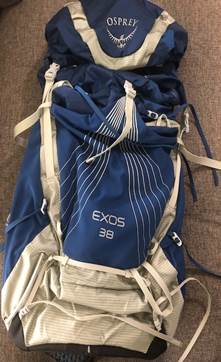
Osprey Exos 38

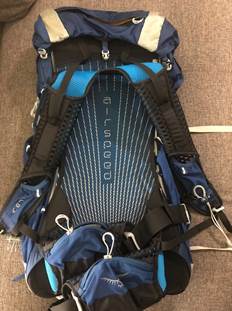
<![if !vml]><![endif]>After looking at all the backpacks we already had, ordering, trying and returning multiple backpacks I decided the Osprey Exos 38 was right for me.
<![if !vml]><![endif]>

At 38 liters many consider this pack to be a “Day Pack”, for me (after looking at all my gear laying out on the dining room table) it seems like just the right pack for a 10 pound total and, at 2.19 pounds it met my desired weight while including the bells and whistles of many much heavier packs.

This backpack comes with large main compartment that includes a hydration pocket and a drawstring, moisture resistant seal and a flap jacket to protect the contents from rain and the elements.

In addition there is a zippered compartment in the flap jacket and a large exterior pocket both of which allow access to items you might need at a moments notice. Stow and go Trekking Pole carriers and lots of clips give you everything you need on the back side for the kind of hiking we intend.

One of the most attractive features of this backpack is the “AirSpeed” Suspension system that keeps the back of the pack off your back (a lot of “ack” sounds in that sentence) and includes a mesh so the backpack breathes and is still properly supported so the weight of the contents won’t pull you backwards, I have honestly never had a pack that could accomplish this; it’s awesome.

Of course all chest and shoulder straps are adjustable and the shoulder straps include one small pocket each for your protein bar or cell phone or mini-lite!

I actually ordered one of last year’s models because it includes additional pockets on the waistband that are amazingly large considering their location. Overall a great backpack and it weighs in at 2.19 pounds.

Although I am still deciding which trekking poles I am carrying and what jacket and shower shoes  I intend to pack,  this pack with all the other items I know I will carry comes in at a total of LESS THAN 8 POUNDS!

Keep following the blog and as we hike the El Camino, I will update you on all the reasons my decision turn out to be WRONG J!

More from Brenda about her backpack (she decided against the Exos; check out her blog and see why she made a great decision)

The El Camino de Santiago- the Blog Begins

By Makena Blog

Hello!

Thanks for taking an interest in our “Miles for Makena” efforts, it’s truly a worthy cause and Ken and I are excited to help raise money for the “Makena Kids”.

We have received LOTS of questions about our 100 km (which, with side trips, turned into over 100 miles) hike along the El Camino de Santiago and although many of them included a phrase like “100 km, REALLY!!!” many also wanted information about preparation, equipment, lodging and the history of the trail; we thought we could start our first post by addressing some of these questions and continue posting as we complete our preparation and through our travel to Spain and, of course, the daily posts we anticipate during the hike itself.

About the El Camino de Santiago

We were first hiking through Cinque Terre in Italy when met Stacie, a young lady who had just completed the 500 mile trek along the El Camino. As she spoke about the hike, the history, the countryside, the towns and villages and, most of all, the people (both on the trail and in the villages) we became enamored with the idea of hiking the trail ourselves.

After discussing the trip at length we began to read up on the history of trail and learning the story of Saint James the Greater and how the trail came to be one of the world’s most popular pilgrimage trails, we decided we had to make the trip.

Saint James the Greater

Saint James the Greater was thought to be a cousin of Jesus and was a fisherman by trade who worked with his brother John, his partner Simon and his father.

Initially followers of John the Baptist, both John and James left their fishing trade when Jesus called upon James to be “a fisher of men”. James remained a disciple until Jesus was crucified by the Romans.

After the crucifixion James traveled the Iberian Peninsula continuing the work of Jesus until he returned to Judea where he was beheaded by King Herod (as told in Acts 12 of the New Testament).

The remains of James the Greater were taken to the Iberian Peninsula, where he had spent so much time spreading the word of Jesus,  and where his remains are said to be buried in Santiago de Compostela.

Saint James the Greater is regarded as the patron of pilgrims because subsequent to his own pilgrimage back to Judea he was executed.

In addition he is believed to have helped the Christians defeat the Moors in Spain and is therefore, also, the Patron Saint of Spain.

Initially Ken and I planned on hiking the full 500 miles from St. Jean Pied de Port  in France to Santiago de Compostela this year but business and life got in the way 🙁

Our Trail

From our home near Austin TX we will start with a flight from Austin Newark NJ then on to Madrid where we will arrive on October 18th and take public transportation for the 6 hour bus trip to El Cebreiro, our starting point.

Since we have reservations in Malaga for the week from November 3rd through the 10th we have about 2 weeks to hike the towns and villages between Cebreiro and Santiago de Compostela; we intend to use every moment of it to enjoy the journey. Depending on the weather and our desire to spend more time in the scenic, historic towns and villages we will be in Santiago de Compostela in 7 to 10 days and might travel the additional 50 or so miles to FinisTerre (“the end of the Earth”) the westernmost town in Spain on the Atlantic Ocean.

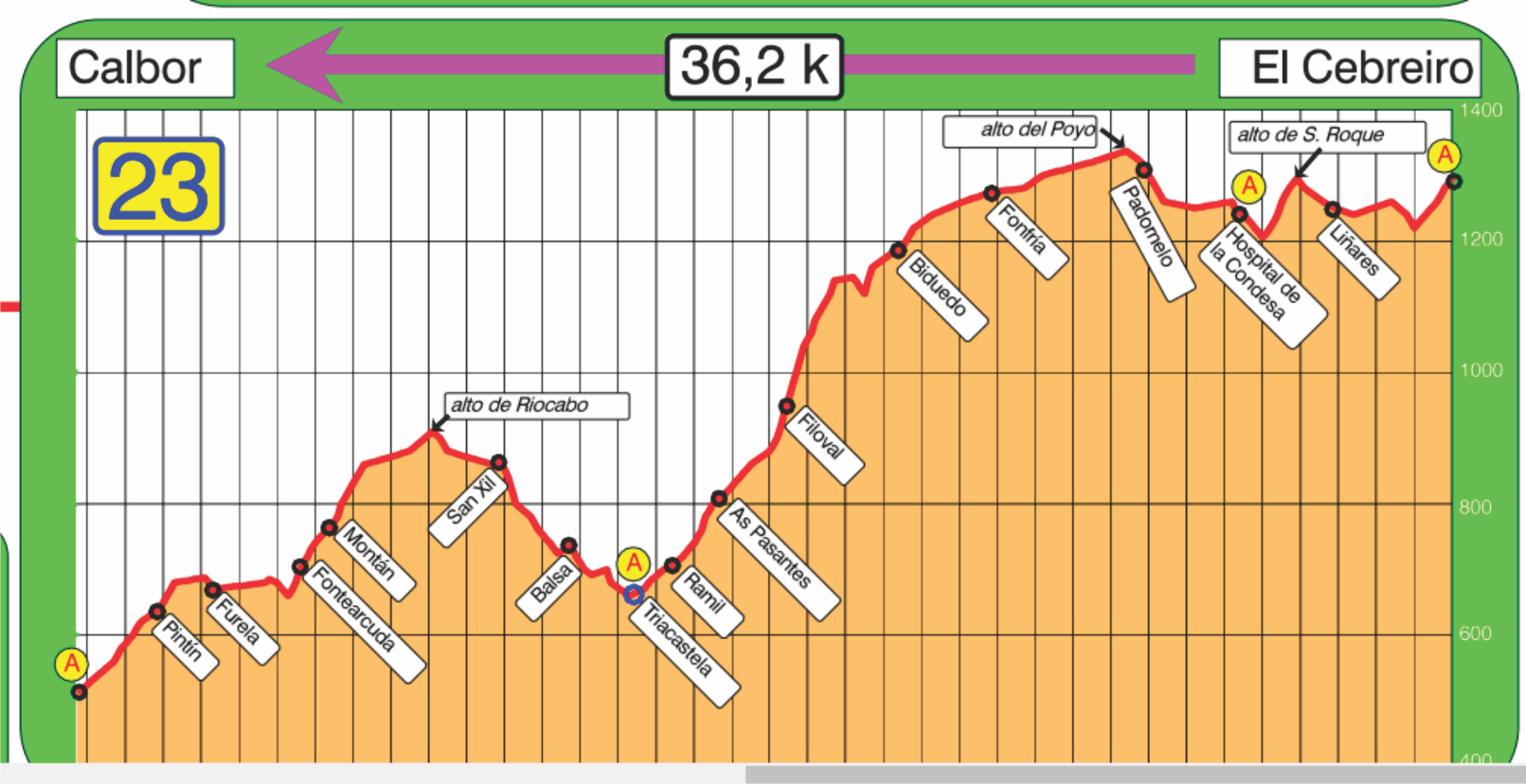
As you can see from the graphic of one section of the trip, in a 36 km day we pass through 15 population centers, only 2 of which have populations between 500 and 2000; the rest represent what the trip is made of, spending our days traveling through dozens of villages, the vast majority of which have populations under 500!

Thankfully there are Albergue’s (public hospice) all along the route and, being the off season, we anticipate being able to find lodging in almost any town where we wish to spend the night.